Cutting Acrylic and Polycarbonate Without Chipping the Edge
Chipped acrylic and crushed twin-wall are support problems more often than blade problems. What to change.
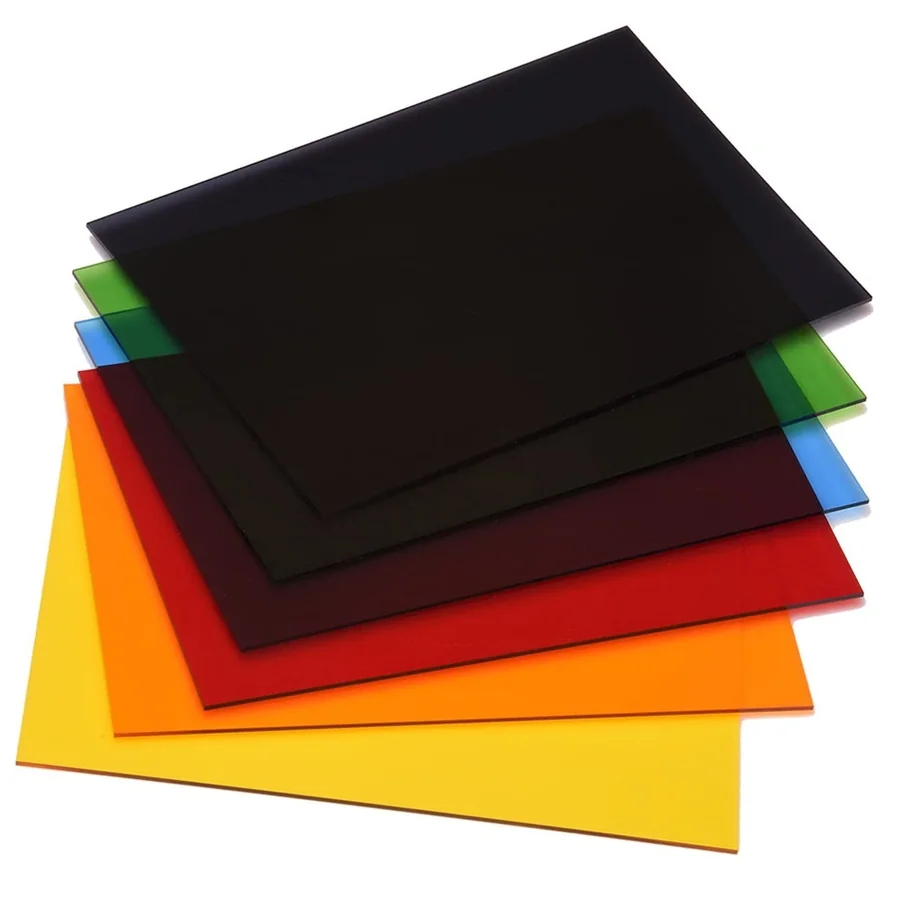
Acrylic is the material that punishes a bad setup fastest. Wood forgives a wandering cut; you sand it. Composite hides a lot behind its folded face. Acrylic shows everything, and it shows it on the edge a customer will run a finger along.
Most chipping is blamed on the blade. Sometimes that is right. More often the blade was fine and the sheet was not held still.
Why acrylic chips where it chips
Look at where the damage is. It is almost always in one of two places.
At the very end of the cut
This is the offcut dropping. As the blade leaves the material, the unsupported piece falls a few millimetres, twists, and levers a chip out of the last stretch of edge. Nothing about the blade causes this. The fix is to carry the whole sheet, including the offcut, all the way through — which is what a continuous bed does and two trestles cannot.
Along a section in the middle
This is vibration. An unsupported span chatters, and chatter in acrylic is a row of small crescent chips. Again: support.
Then, and only then, the blade
Once the sheet is properly carried, blade choice does the rest. Two things matter more than tooth count on the box:
- Keep the masking film on. Both faces, for the whole operation. It is the cheapest edge protection there is and it also keeps the swarf from welding to the surface.
- Feed steadily and do not stop mid-cut. Acrylic melts if the blade dwells. A stop-and-restart leaves a witness mark that no amount of flame polishing removes cleanly.
Cast and extruded sheet behave differently, and extruded is the less forgiving of the two. Test on an offcut of the same sheet before committing a full panel.
Twin-wall polycarbonate is a different problem
Corrugated multiwall glazing does not chip. It crushes. The flutes are hollow, and anything that presses the sheet down on an unsupported span collapses them — usually right where the sheet overhangs a trestle, and usually not noticed until the panel is up and the crushed line is catching the light.
The answer is the same answer: support the sheet along its whole length so nothing is ever spanning air, and guide the tool so you are not leaning on the panel to steer it.
What a continuous bed and a rail change
On the RailTable 4000 the bed is 740 mm deep and runs the full 157 in (4,000 mm) of the frame, built from 45 by 90 mm sigma aluminium extrusion. A sheet lies on it for its entire length, the offcut included. The saw rides a 20 mm (0.79 in) profile rail over the full span on a carriage that is a drilled 5 mm steel plate, so the tool travels in a straight line without being pushed into the work.
Two consequences worth naming. First, you can cut with the masking film on and the panel flat, which is how the edge stays clean. Second, because an adjustable mechanical stop runs the full length of the table, a run of identical panels is set once and then simply cut — and every time you avoid re-measuring, you avoid one more chance to nudge a sheet that did not want to be nudged.
Thickness changes the failure, not the method
Thin sheet — the 2 and 3 mm stock most sign work uses — barely resists anything. It flexes ahead of the blade, it lifts if the extraction is strong, and it is the thickness most likely to chatter. Continuous support matters more here than anywhere, because there is nothing in the sheet itself to bridge a gap.
Thicker sheet is stiffer and better behaved on the way in, but it carries more heat. The edge that comes off a 10 mm panel is the edge that most often shows melt-back, because the blade is in the material longer at every point. Nothing about that is fixed by clamping harder; it is fixed by keeping the feed moving and not stopping.
In both cases the method is the same. What changes is which mistake you are most likely to make.
Swarf, static and the offcut pile
Acrylic swarf is light, it carries a static charge, and it sticks to everything including the face you were protecting. Two habits save a lot of polishing later:
- Clear the bed between sheets, not at the end of the day. A chip trapped under the next panel is a pressure mark on the face, and pressure marks in acrylic are permanent.
- Stack offcuts film-on and face to face. An unprotected offcut leaning against a wall will be scratched before you get back to it, and an offcut of expensive sheet is stock, not waste.
Neither of these is about the machine. They are about the fact that with a fixed cutting station the material now passes through one place every time, so whatever happens at that place happens to everything.
A short checklist before a run
- Masking film on, both faces.
- Sheet flat on the bed along its whole length, offcut side included.
- Depth set so the blade clears the sheet without cutting far into whatever is under it.
- One test cut on an offcut of the same sheet — check the far end of the cut, not the near end.
- Stop set once for the batch; cut the whole batch before moving it.
Where to read the numbers
The seven sheet materials the bed is built to carry, with the reason for each, are on the home page. The frame, bed and rail specification is on the specification page, and the quote form will get you a delivered figure for your address.
Comments 0
Be the first to comment.