A Sign Shop on One Table: Cutting, Grooving and Folding in One Setup
How a two-person sign shop gets a fascia, a set of letters and a returned edge off one bed without moving the panel.
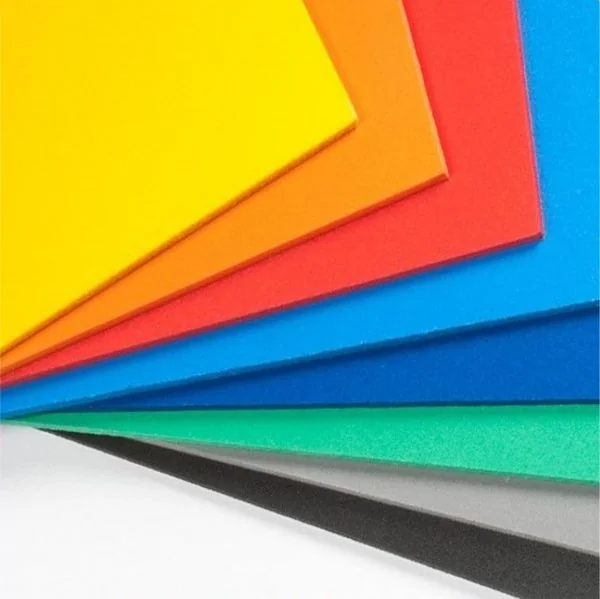
A sign shop does three things to sheet material: cuts it to size, grooves it so it folds, and trims it. Most shops do those three things in three places — trestles for cutting, a bench for grooving, the floor for folding — and the panel is carried between them, which is where most of the damage happens.
This is what the same week looks like when the three operations share one bed.
The job: a shopfront fascia with returns
Say a 10 ft fascia in 3 mm composite, with a 50 mm returned edge top and bottom, plus a set of built-up letters in foam PVC.
Monday: the datum
Square one long edge of every sheet you will use, and mark it. That is the only reference for everything that follows. Five minutes now; it removes the compounding error that otherwise arrives on Thursday.
The fascia blank
Blank size is the face plus one return on each folded side. Set the stop to the blank length and cut. Because the bed carries the sheet for its whole 157 in (4,000 mm) and the offcut never drops, the last part of the cut does not taper — which on a fascia matters, because that end is the one that meets the corner.
The returns, without moving the panel
Slide the second carriage in and take a 90 degree V down the back at the return line. The panel has not moved, so the groove is parallel to the edge you just cut, not to an edge you re-clamped it against. Fold, and the return closes with no seam on the face.
The letter faces
Foam PVC — Forex, Komatex, Sintra, depending on the supplier — folds the same way composite does, which is how built-up letters get their sides without a weld. Cut the face blanks against the stop, groove the fold lines, fold, and bond the corners.
Letters are the batch job that pays for a stop. Twenty letter returns at the same depth is one stop setting and twenty cuts.
What changes when the panel stops travelling
- Fewer handling marks. Every carry between stations is an opportunity for a scratch on a face you cannot polish.
- One datum, not three. A panel re-clamped at each station picks up a new reference each time.
- The setup time disappears. The ten minutes of finding the jig, clamping the straightedge and checking it square is gone; there is a stop and it is already there.
- One person. A full sheet supported along its whole length can be pushed to a stop by one pair of hands. Two people were needed to hold it, not to cut it.
What it does not change
You still need a brake or a straight edge to fold against, bonding for mitred corners, and somewhere to lay panels down between operations. And on a jobsite, a track saw is still the right tool for a single cut — a 13 ft (4 m) frame is a shop machine that stays where you put it.
What to keep within reach of the bed
A fixed cutting station collects tools the way a bench collects them, and the ones that belong there are not the obvious ones.
- Offcuts of every sheet you are running. Groove depth is set on an offcut of the same sheet, every time the sheet changes. A box of them under the bed is a box of avoided scrap.
- A marker that writes on protective film. The datum edge gets marked on the film, not on the panel.
- A framing square, for the first part only. After the first part, the stop is the check.
- Labels. Twenty identical letter returns are identical until one of them is the wrong one.
- A second blade, sharp. Composite and foam PVC blunt a blade differently from wood, and a blunt blade tears a foam PVC edge rather than cutting it.
The week, not the job
The argument for one bed is not that any single job is faster. A fascia is a fascia. It is that a week of small jobs stops being a week of setups.
A sign shop’s week is rarely one big panel; it is a fascia on Monday, a set of letters on Tuesday, two tray signs and a repair on Wednesday, and a rush job on Thursday afternoon that has to go out at five. Every one of those, done the old way, begins with finding the straightedge, clamping it, squaring it and checking it. Ten minutes, six or seven times a week, is most of a working day.
Done against a stop that is already there, each of them begins with sliding a stop and locking it.
The materials a sign shop actually meets
| Material | Used for | What to watch |
|---|---|---|
| Composite panel (ACM/ACP) | Fascias, cassettes, column covers | Hinge depth; groove parallel to the edge |
| Foam PVC | Built-up letters, boxed returns, sign faces | Soft core — a sharp blade, no dwelling |
| Acrylic | Illuminated faces, panels | Film on; offcut supported; do not stop mid-cut |
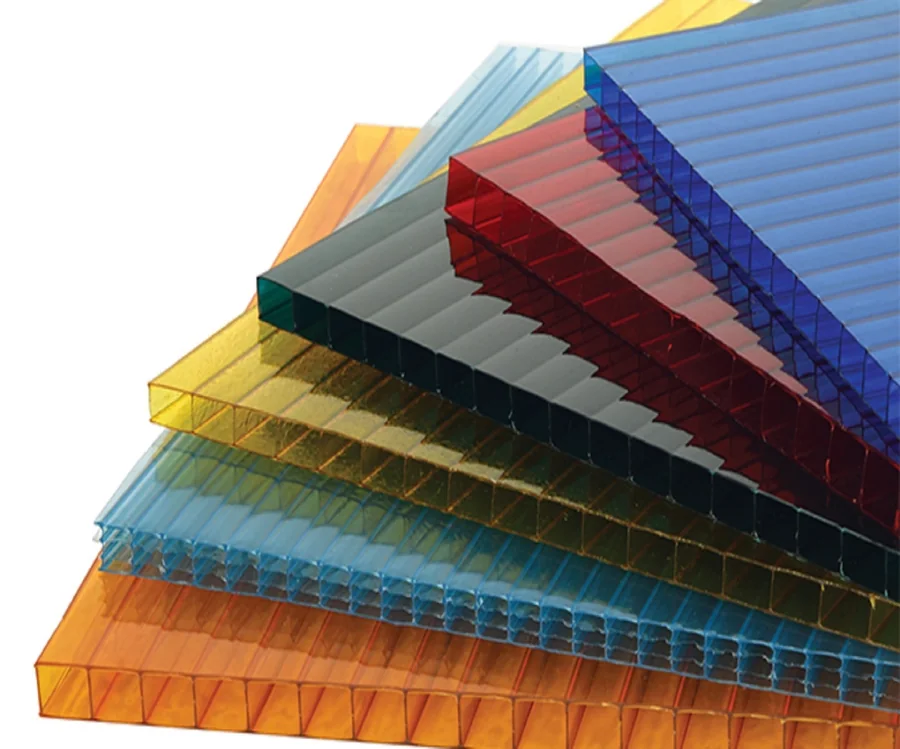
| Twin-wall polycarbonate | Glazing, protective panels | Hollow — crushes on an unsupported span |
Where to read the numbers
The seven materials and the reason for each are on the home page; the frame, bed and carriage specification is on the specification page. For the fold itself, see V-grooving composite panel, and for a delivered figure use the quote form.

Comments 0
Be the first to comment.