V-Grooving Composite Panel: How a Flat Sheet Becomes a Folded Return
How a 90 degree groove turns a flat composite sheet into a folded corner with no seam, and the four ways it fails.
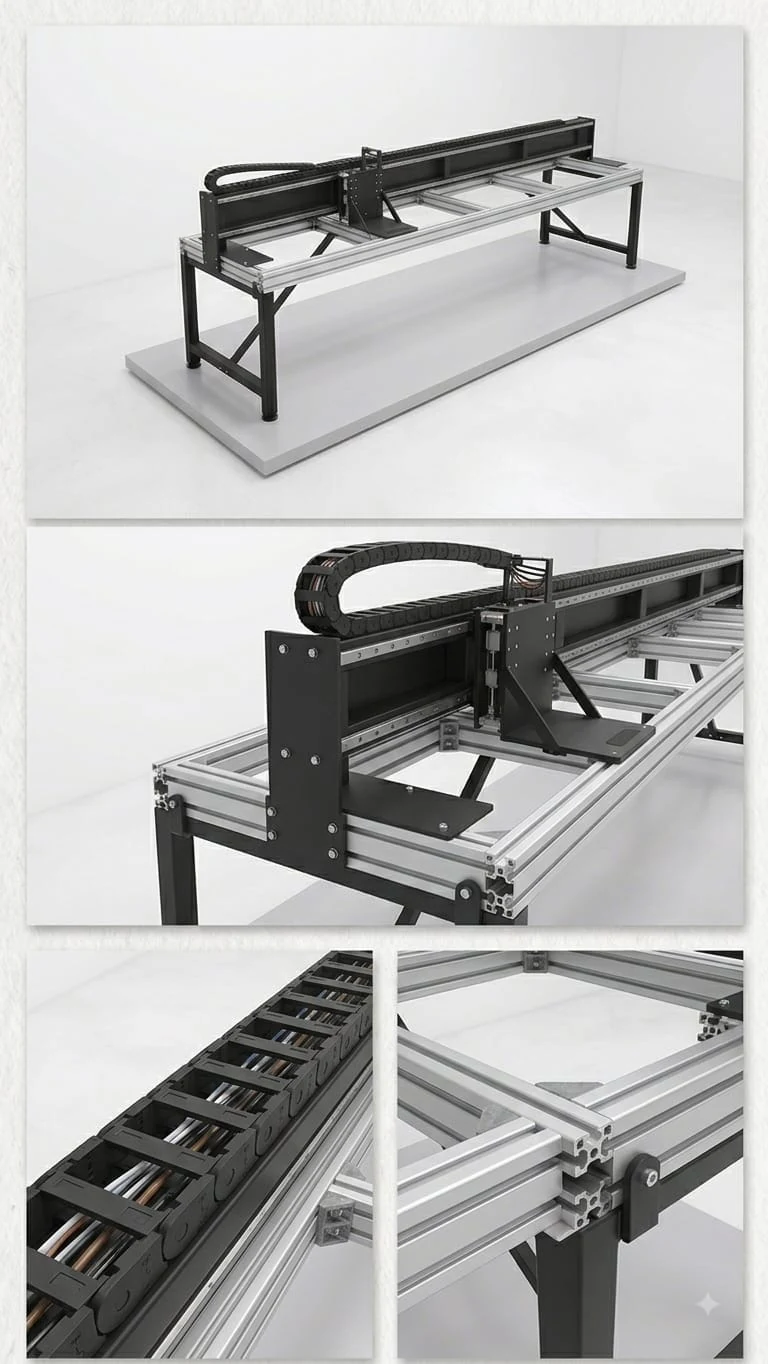
Almost every clean composite panel job you have ever admired — a shopfront cassette, a column cover, a sign face with a returned edge — is a flat sheet that was grooved and then folded. There is no welding, no seam and no second piece. It is one panel, bent along a line that was cut into its back.
The technique is simple to describe and unforgiving to execute, which is why it is worth writing down properly.
What a V-groove actually removes
A composite panel is a sandwich: two thin metal skins with a polymer core between them. A V-groove cuts a V-shaped channel down the back skin and through most of the core, stopping short of the front skin. What is left is a hinge: the face skin plus a thin film of core.
Fold the panel along that hinge and the two cut faces of the V close against each other. Because the V is cut at 90 degrees, the panel closes to a 90 degree corner and stops there — the geometry sets the angle, not your hands. The front skin is never cut, so the outside of the corner has no seam at all.
That is the whole idea. Everything else is control.
The one number that matters: hinge thickness
Leave too much material and the panel will not fold; you will force it, and the face will show a bulge or a stress line along the bend. Leave too little and the hinge tears — sometimes immediately, sometimes three months later on a cold morning when the panel has been cycling in and out of the sun.
Two practical rules, both of which cost nothing to follow:
- Test on an offcut of the same sheet, every time the sheet changes. Core formulations differ between suppliers and between batches. A depth setting that was right last month is a guess this month.
- Fold the test piece all the way and then open it again. If it folds cleanly and opens without whitening or cracking, the hinge is right. If it opens with a pale line, you are close to the limit.
Set the depth on scrap, then do not touch it for the rest of the run.
Why the groove has to be straight over the whole panel
A fold is only as straight as the groove under it. A groove that wanders by a millimetre over 10 ft gives you a corner that is visibly not parallel to the edge of the panel, and on a cladding run that sits next to twenty other cassettes, it is the one everybody looks at.
This is the part a hand-held router cannot do over a long panel, no matter how carefully it is clamped. On the RailTable 4000 the groover carriage rides the same 20 mm profile rail as the saw carriage, over the full span of the frame, and the panel sits on a continuous 740 mm deep bed underneath it. The router follows the rail; it does not follow your wrist.
The second carriage is a drilled 5 mm steel plate, so the router or groover you mount on it is the one you already own and already trust.
Four ways it goes wrong
1. Grooving the wrong face
It sounds impossible until the day it happens. The groove goes in the back — the face that will be hidden after the fold. Mark the good face before the sheet ever goes on the bed, and keep the marked face down.
2. Folding before the panel is cut to size
Cut first, groove second, fold last. A folded panel is no longer flat, and a panel that is no longer flat cannot be trimmed against a stop without re-referencing everything.
3. Letting the panel flex during the groove
If the sheet is unsupported behind the cutter, it lifts slightly and the groove gets shallower there. Then the fold is tight in some places and loose in others. Continuous support is not a luxury for this operation; it is the operation.
4. Folding by hand without a brake or a clean edge
The groove sets the angle, but the panel still needs to be folded against something straight so the bend starts everywhere at once. Folding freehand puts the bend in a few millimetres from the groove in places, which shows as a soft, wavy corner.
What else the second carriage is for
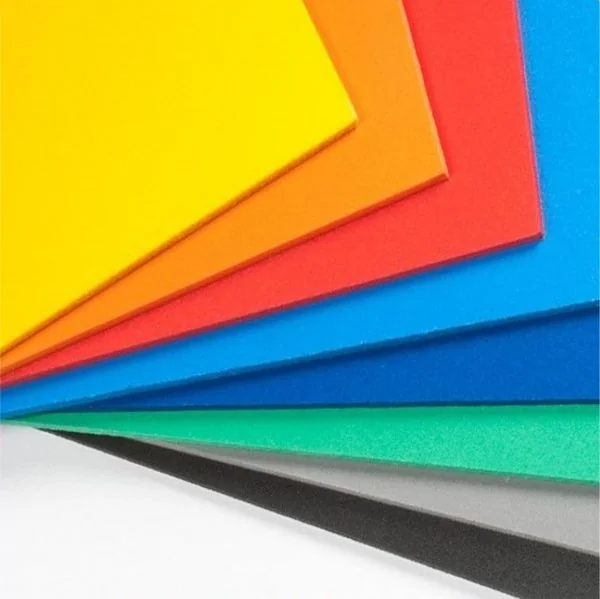
The groover carriage is not only a V-groove tool. The same carriage running the same rail cuts channels along the full length of a panel, trims an edge, and grooves tongue-and-groove panelling to length. Foam PVC sheet — sold as Forex, Komatex or Sintra depending on where you buy it — folds the same way composite does, and is a common material for boxed-up letters and sign returns.
Because both carriages ride the same rail, swapping between cutting to length and grooving does not mean moving the panel. You slide the second carriage in and carry on.
Where to read the numbers
The materials the bed is built to carry are listed with the reason for each on the home page, and the frame, rail and carriage specification is on the specification page. If you are weighing this against a track saw or a vertical panel saw, the comparison page sets out where each one wins.

Comments 0
Be the first to comment.